Por qué escribir un libro es la mejor estrategia de marca personal
Cómo transformar tu experiencia profesional en un activo que atrae clientes sin depender de las redes sociales
Si tienes un proyecto entre manos, vendes tus propios servicios o te has especializado en tu sector, seguro que estás más que harta de escuchar siempre lo mismo sobre la presencia digital. Te repetirán hasta la saciedad que tienes que publicar a diario en redes, grabar vídeos cortos sin parar o abrirte un pódcast para que no te olviden. Todo eso ayuda, claro que sí, pero las redes sociales son un terreno alquilado. Ahí las reglas cambian cuando le da la gana al algoritmo, el contenido caduca en un par de horas y la batalla por arañar dos segundos de atención resulta agotadora. Pero frente a esa rueda de hámster efímera, hay un activo que no depende de modas, que dura años en perfecto estado y que transforma de arriba a abajo cómo te percibe tu cliente ideal: escribir y publicar tu propio libro de no ficción.
Lejos de ser un postureo para el currículum, redactar una obra centrada en lo que mejor sabes hacer es la jugada de posicionamiento más inteligente que puedes hacer. De hecho, que las palabras autor y autoridad compartan la misma raíz no es ninguna casualidad. Organizar tu experiencia, tu método de trabajo y tus ideas en un volumen bien estructurado exige un trabajo que muy poca gente en tu sector está dispuesta a hacer. Por eso mismo, el mercado premia al instante a quien da el paso, marcando una distancia enorme entre quien solo da su opinión en internet y quien ha dejado su conocimiento grabado en letras de imprenta.
El verdadero valor de un libro de no ficción para tu reputación profesional
Muchos profesionales cometen el error de medir el éxito de un libro mirando solo los derechos de autor o las ventas en librerías. Pero si te soy sincera, la rentabilidad real de escribir un libro para tu marca personal no está en lo que cobras por cada ejemplar, sino en todo lo que atrae de forma indirecta hacia tu negocio.
Cuando alguien decide leerte, pasa entre cinco y diez horas a solas con tus pensamientos y tu forma de ver el mundo. Ese nivel de atención y de intimidad es imposible de conseguir con un post rápido o un hilo en redes. Mientras lee, esa persona deja de verte como una opción más entre la competencia y empieza a tener claro que eres la especialista de referencia en tu tema.
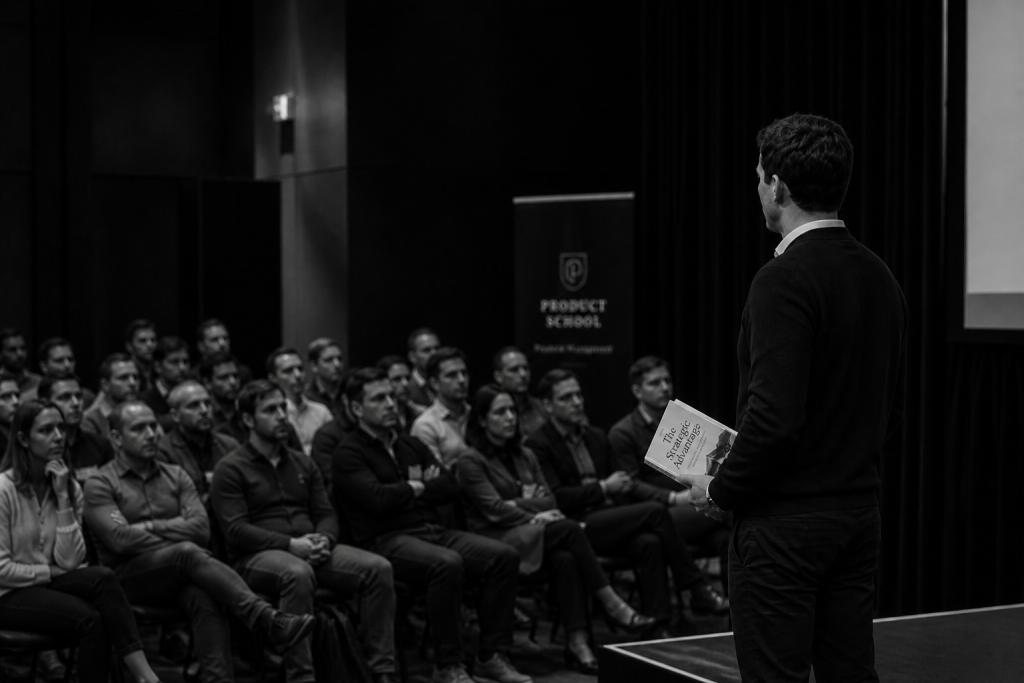
Además, un libro físico tiene algo mágico: se queda. Una tarjeta de visita termina en la basura y un folleto se pierde en cualquier cajón, pero un libro se guarda en la estantería, se subraya o se queda encima de la mesa de despacho. Cada vez que alguien pasa por delante y le lee el lomo, tu marca personal sigue trabajando en su cabeza en silencio.
Cómo cambia tu negocio cuando te conviertes en autor
Escribir un libro no solo cambia cómo te ven desde fuera, sino que reorganiza por completo las oportunidades que te llegan y la manera en que valoras tu trabajo. Por un lado, publicar se convierte en el pase VIP para salir en medios de comunicación, pódcasts influyentes o eventos de tu sector. Para un periodista o un organizador de congresos, traer a la autora de un libro publicado es una garantía de calidad para su público. Resulta infinitamente más fácil conseguir una entrevista o dar una charla cuando vas a presentar las ideas de tu obra que cuando intentas vender tus servicios a puerta fría.
Por otro lado, un libro te permite dar un salto en tus precios. Al consolidar tu posición y demostrar que dominas tu materia hasta el punto de haber escrito sobre ella, el valor percibido de todo lo que haces se multiplica. Puedes permitirte subir tarifas y dejar de pelear por precio, porque tu criterio cuenta ahora con una prueba palpable que lo avala. Y lo mejor de todo es que el libro actúa como un imán para los clientes adecuados. Quien llega a tu consulta o a tu bandeja de entrada tras haber leído tus páginas ya conoce tu filosofía, confía en tu criterio y sabe cómo trabajas. Ya no tienes que convencer a nadie en una llamada de ventas interminable; el lector llega prácticamente vendido.
Lo que diferencia a un libro que funciona de uno que se queda cogiendo polvo
Escribir para potenciar tu perfil profesional requiere un chip bastante diferente al de la literatura tradicional o el mundo académico. Si queremos que el libro cumpla su objetivo sin resultar aburrido ni lejano, hay que cuidar algunos detalles clave.
Resolver un problema concreto en lugar de contarlo todo: El gran fallo al empezar es querer meter absolutamente todo lo que sabes a modo de enciclopedia. Intentar abarcar demasiado suele acabar en un texto descafeinado que no conecta con nadie. La clave está en elegir un problema muy específico que quite el sueño a tu cliente ideal y volcar el libro en darle una respuesta clara. Cuanto más afinado sea el tiro, más fácil será que te conviertas en la lectura imprescindible para ese nicho.
Escribir con claridad y los pies en la tierra: Tu libro no está para impresionar a un tribunal universitario ni para demostrar que usas palabras raras, sino para ayudar de verdad a quien lo lee. Una buena autora explica cosas complejas de forma sencilla, echa mano de ejemplos del día a día y guía al lector paso a paso. Quien te lea tiene que sentir que está tomando un café contigo mientras le explicas, con toda la soltura del mundo, cómo resolver ese atasco que no le deja avanzar.
Cuidar el diseño tanto como el contenido: Por muy buenas que sean tus ideas, una portada regulera, un interior mal maquetado o una tipografía incómoda se cargan la experiencia en un segundo. La edición de tu libro es la cara visible de tu trabajo, y si transmite desinterés, la gente asumirá que tus servicios son igual de descuidados. Apostar por un diseño pulido, una maquetación profesional y una revisión a fondo no es un capricho, es cuidar la imagen de tu propia empresa.
Cómo pasar de la idea al libro sin morir en el intento
Pensar en escribir un libro entero da cierto respeto si no sabes por dónde hincarle el diente. De hecho, conozco a muchísimos profesionales que llevan años aplazando este proyecto simplemente porque no encuentran el momento o no saben cómo ordenar todo el desorden que tienen en la cabeza.
La clave de todo es el mapa previo. Antes de escribir la primera frase, hay que sentarse a dibujar el índice, la línea narrativa y el camino por el que vas a llevar al lector. Tener ese mapa claro te quita de un plumazo el miedo al folio en blanco y te garantiza que cada capítulo tenga un sentido dentro de tu estrategia. Después, solo se trata de encajar la escritura en tu rutina de forma realista, sin locuras ni palizas de diez horas. No hace falta encerrarse en una cabaña en el monte para escribir un libro; basta con un método constante y organizado para ir dando forma a las ideas semana a semana.
El Scriptorium
¿Tu historia de terror consigue asustar al lector?
Si has terminado tu historia de terror y quieres descubrir si la atmósfera, la tensión y el ritmo funcionan como deberían, un informe de lectura especializado puede ayudarte a detectar los puntos fuertes y los aspectos que todavía pueden mejorar.
༺ Quiero un informe de lectura ༻