La psicología detrás del enganche: por qué nos atrapa una novela
De la brecha de información al efecto Zeigarnik para dominar el ritmo de tu novela
Hay libros que empezamos por compromiso y tardamos tres semanas en terminar, y otros que nos devoran la noche entera porque no podemos parar de decirnos «solo un capítulo más». ¿Qué pasa exactamente en la mente de quien lee cuando una historia consigue atarlo de esa manera? La respuesta corta es que no se trata de magia ni de suerte. La literatura que engancha de verdad funciona porque activa resortes psicológicos muy concretos que tenemos instalados en la cabeza desde hace miles de años.
No leemos solo para entretenernos; leemos para experimentar vidas ajenas, sentir emociones extremas y ponernos a prueba sin asumir los riesgos reales de esas situaciones. Y cuando entiendes qué mecanismos cerebrales se disparan mientras pasamos las páginas, tu forma de planificar y escribir da un vuelco total. Dejas de confiar en la intuición a ciegas y empiezas a construir la historia sabiendo qué hilos emocionales estás moviendo en cada escena.
La empatía como puerta de entrada y el fenómeno de la simulación mental
Para que un lector se quede en tu historia durante trescientas páginas, lo primero que necesita es identificarse o, al menos, fascinarse con la persona que la protagoniza. Y aquí la ciencia nos dice algo precioso: cuando leemos una escena donde un personaje corre asustado por un pasillo a oscuras, en nuestro cerebro se activan regiones muy similares a las que se encenderían si tuviéramos que echar a correr nosotros mismos.
Esto ocurre gracias a la simulación mental y a nuestro sistema de neuronas espejo. Quien lee no observa la historia desde fuera como quien mira un mapa o analiza un gráfico; la vive desde dentro, prestándole sus propios sentidos y su propio cuerpo al personaje. Por eso, si tu protagonista es de cartón piedra, carece de defectos o sus reacciones suenan falsas, la simulación se rompe al instante y la lectura se vuelve un trámite pesado.
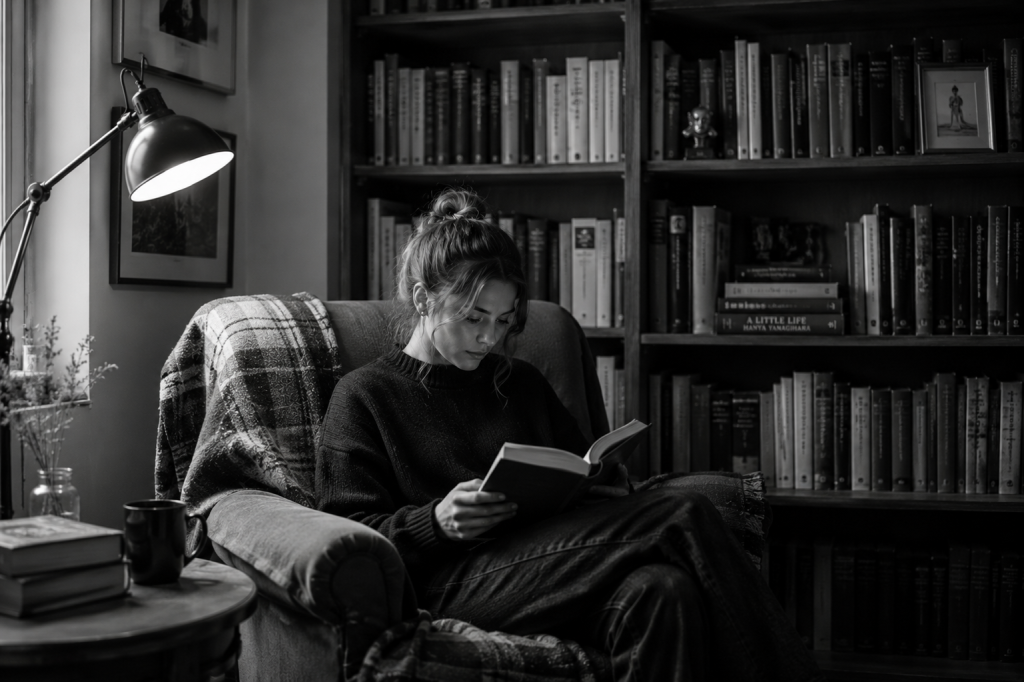
El enganche psicológico no exige que el personaje sea simpático ni intachable. De hecho, los personajes demasiado perfectos aburren a las tres páginas. Lo que exige es que sea coherente y que tenga deseos, contradicciones y miedos profundamente humanos. Cuando comprendemos qué le duele a alguien, qué intenta proteger a toda costa y qué está dispuesto a hacer para conseguir lo que quiere, nos conectamos de inmediato a su cable de tensión. Queremos ver si lo logra o si se da de bruces contra la pared, simplemente porque ya nos importa lo que le pase.
La brecha de información y el impulso incontrolable de la curiosidad
En los años noventa, el economista y psicólogo George Loewenstein formuló la teoría de la brecha de conocimiento. Decía algo tan sencillo como esto: la curiosidad se dispara de forma incontrolable cuando nos damos cuenta de que hay una distancia entre lo que sabemos y lo que nos gustaría saber. Esa grieta genera una molestia cognitiva casi física, una picazón mental que solo se calma cuando conseguimos la información que nos falta.
En narrativa, esa brecha es la gasolina auténtica del ritmo. Un libro aburrido es un libro donde o bien te lo han contado todo ya de entrada y no hay ninguna pregunta abierta en el aire, o bien te han ocultado tanto que no entiendes nada, te desorientas y te da igual lo que termine pasando. El secreto para mantener al lector pegado a las páginas está en abrir brechas constantes y cerrarlas con cuentagotas. Le das una respuesta que llevaba capítulos buscando, pero esa misma respuesta abre dos preguntas nuevas todavía más inquietantes. Le enseñas un secreto del pasado del protagonista, pero inmediatamente insinúas que ese secreto le va a costar su relación actual si sale a la luz. La mente humana odia dejar los puzles a medias; si le das las piezas suficientes para intuir la figura pero le faltan tres, no soltará el libro hasta haberlas encajado todas.
La inversión emocional y el peso del coste acumulado
Existe un fenómeno muy curioso que ocurre a medida que avanzamos en un buen libro: cuanto más tiempo y carga emocional le dedicamos a los personajes, más difícil nos resulta abandonar la lectura. En psicología se habla a menudo de la falacia del coste hundido, pero en literatura juega a nuestro favor de una forma muy potente.
Cuando un lector ha visto a tu protagonista sufrir, dudar, arriesgarse, perder amigos o renunciar a cosas importantes por el camino, ya no es un espectador neutral. Se ha invertido en su viaje. Ha gastado su propia energía emocional en esa historia y necesita ver cómo se resuelve para sentir que ese esfuerzo ha merecido la pena. Quiere un pago o una recompensa emocional por todo lo que ha pasado acompañándolo.
Por eso las historias que funcionan mejor no escatiman en ponerle las cosas difíciles a los personajes. Si los problemas se resuelven de forma fácil, si la suerte siempre los salva a última hora o si las consecuencias de sus errores son blandas, la inversión emocional del lector se devalúa. Pero si los costes son reales y el personaje tiene que dejarse un pedazo de piel para avanzar cada metro, quien lee se queda hasta el final para presenciar el desenlace de ese sacrificio que, de algún modo, ha convertido en propio.
El efecto Zeigarnik o por qué cuesta tanto cerrar el libro por la noche
A principios del siglo XX, la psicóloga Bluma Zeigarnik se dio cuenta de algo curioso mientras observaba a los camareros de un café en Viena: recordaban perfectamente los detalles de los pedidos que todavía no se habían pagado, pero en cuanto el cliente abonaba la cuenta y salía por la puerta, la información se borraba de su memoria. La mente humana odia los procesos incompletos y mantiene activos en segundo plano los hilos que se han quedado abiertos.
En la escritura, esto se traduce en una gestión maestra del cierre de los capítulos. Si cierras un bloque con la situación completamente resuelta, las dudas aclaradas y los personajes tomándose un té en calma, le estás regalando al lector el momento perfecto para poner el marcapáginas, apagar la luz e irse a dormir plácidamente. Para aprovechar el efecto Zeigarnik a tu favor, basta con cortar la escena justo en el momento de máxima incertidumbre o en el instante preciso en que entra una variable nueva en la ecuación. No hace falta que sea un cliffhanger pirotécnico con bombas o explosiones en cada final de capítulo; puede ser simplemente una palabra dicha a destiempo durante una cena, una carta que llega sin remitente o una sospecha que se confirma en silencio. Si dejas la cuenta sin pagar al final del capítulo, el cerebro del lector te pedirá a gritos empezar el siguiente.
El equilibrio entre lo predecible y la sorpresa que desencadena el chispazo
Nuestro cerebro es, en esencia, una máquina de predecir el futuro. Todo el tiempo estamos intentando anticipar qué va a pasar en los próximos cinco minutos para ahorrar energía, evitar peligros y mantenernos a salvo. Cuando leemos una novela, hacemos exactamente lo mismo de forma automática e inconsciente.
Si una historia es 100 % predecible, nos aburrimos y nos desconectamos porque el cerebro no tiene nada nuevo que procesar; ya se sabe de memoria el camino y los clichés de turno. Pero si es 100 % caótica y pasan cosas absurdas sin lógica interna ni preparación previa, nos frustramos porque sentimos que el juego no tiene reglas y que la autora se está inventando trampas sobre la marcha. Por eso, el enganche de verdad se produce en un punto medio muy fino: la sorpresa justa sobre una base sólida y familiar. Quieres que el lector intente adivinar lo que viene, cree que tiene toda la razón del mundo y de repente le das un giro que no esperaba pero que, cuando lo piensa detenidamente durante tres segundos, tiene todo el sentido del mundo. Esa sensación de «debería haberlo visto venir, pero no lo vi» genera un chispazo de satisfacción psicológica brutal en la cabeza de quien lee.
La resonancia del subtexto: el placer de no dárselo todo masticado
Por último, no hay nada que enganche más a una mente lectora que sentirse inteligente mientras lee. Un manuscrito que te lo da todo masticado, te explica las intenciones de todo el mundo y te redacta hasta el último pensamiento de los personajes termina tratando al lector como a un niño pequeño, quitándole toda la gracia al proceso.
La literatura más adictiva es siempre la que deja espacio para que quien lee complete la frase en su cabeza. Es la que funciona por subtexto: lo que se lee entre líneas, las miradas que dicen justamente lo contrario de las palabras, los silencios cargados de tensión después de una pregunta incómoda. Cuando le das al lector los elementos suficientes para deducir por sí mismo lo que siente un personaje en lugar de dárselo explicitado en un párrafo reflexivo, lo conviertes en coautor de la escena. Y no hay nada más magnético que sentir que estás descubriendo la verdad de una historia por tus propios medios.
El Scriptorium
¿Crees que le estás dando a tu lector todo demasiado masticado?
Analizar la psicología de tu propia novela cuando llevas meses metida en el borrador es durísimo; te sabes el texto de memoria y ya no sientes el impacto de los giros ni la duda de las brechas de información. A veces solo hace falta una mirada desde fuera para identificar dónde se frena la lectura, qué escenas necesitan más tensión y cómo conseguir que tus personajes dejen de sonar a papel para empezar a respirar.
༺ Quiero un informe de lectura ༻